Will-o’-The-Wisp of Obscurity
– Radha Jadhav
FY BSc Economics (2025-29)
Estimated Reading time ~ 5 mins
Proceed with care, might’ve dug deep into your social media habits!
With the masses’ increased consumption of social media, you could find yourself in the midst of a relentless splash of trends, lifestyles, and aesthetics. People often attempt to pick the least sought-after choice, as obscurity is a trend. But this craving for uniqueness creates anxiety and overwhelms people, instead of making them authentic.
If you look closely, there is a path, an aesthetic, a choice you’ve made, too, in the way you carry, express, and present yourself. Social media has led to a steep decline in unique thoughts, originality, and creativity. When you observe a series of posts, podcasts, and shows, you will notice similarities, common experiences, and a specific tone of communicating ideas.
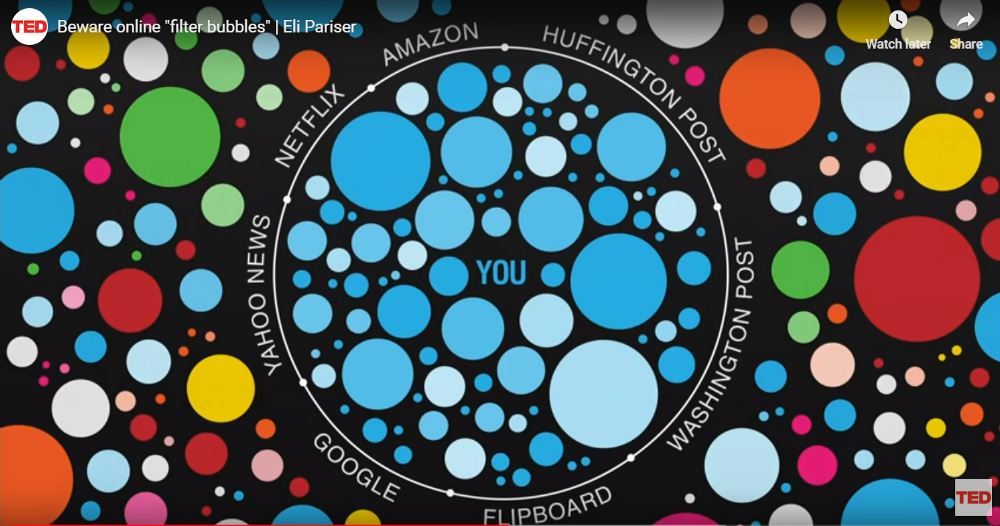
Due to the rise in content, posts, reels, and tweets, one might often find oneself amidst echo chambers. An echo chamber is an environment where a person only encounters information or opinions that reflect and reinforce their own. When you are in your chamber and filter bubble, it becomes difficult to catch the events occurring outside your circle. Since these platforms operate on algorithms based on your previous searches, liked content, and media platforms utilized, your brain is exposed to similar opinions and specific viewpoints on various issues. Remember, there is always a bigger picture, another side to the story that is not displayed on the screens.
It is extremely crucial in today’s times to block your mind from developing a one-sided mindset and analysing situations from different sources, especially outside your bubble. This phenomenon has led to individuals deriving extreme opinions in their surroundings, with people in the same bubble incurring like-minded opinions.
→ For example, during the COVID-19 pandemic, various sources spread misinformation on media platforms, feeding anti-vaccine content to members in a similar echo chamber already inclined to believe it. The media algorithms made it difficult for the advocates and opponents to receive similar opinions, resulting in this divergence.
→Another study at flat earth conferences claimed that the belief was on the rise due to conspiracy theories on YouTube. Not long enough until believers were questioning why the curves weren’t felt at any point on the surface. Despite scientists stating that small areas of large curves will always appear flat to tiny creatures upon them, their claims did no good.
Algorithms are the nosy neighbors next door, constantly viewing our activities and certainly love feeding our delusions.
Moving on towards some light-hearted topics to prove my point:
A common occurrence nowadays is the gradual yet definite rise and fall of trends over decades. Whether it’s artists or goods and services, they tend to lose their social value once they approach the mainstream. Like Sabrina Carpenter, Taylor Swift, Chappell Roan, and even Matcha as a drink are viewed as basic after reaching a top spot in their respective fields. Of course, they have not degraded their quality (or have they?), but people refuse to applaud anything mainstream without questioning their position and worth. For instance, Taylor Swift’s album “The Tortured Poets Department” was massively criticized, often accused of sounding similar to her other albums, which I definitely agree with.
→ Matcha has been a staple in traditional Japanese households for centuries. What was once a healthy beverage is now a (male) performative one.
→ The trickle-down theory in fashion is a prime example. The rich and elite sow the seeds of new trends in fashion and lifestyle to differentiate themselves from the other sections of society. These trends trickle down to the general public, who are interested in their styles. This hierarchical model portrays the elites as superior and trendsetters, with the masses following suit. Once switched to mainstream and local, these items lose their social value, and the prices drop. Gradually, the elites abandon their own styles (again, to not mix with the locals), and this endless cycle continues.
Examples: Little black dress, three-piece suits (initially popularized by King George III), and luxurious footwear.
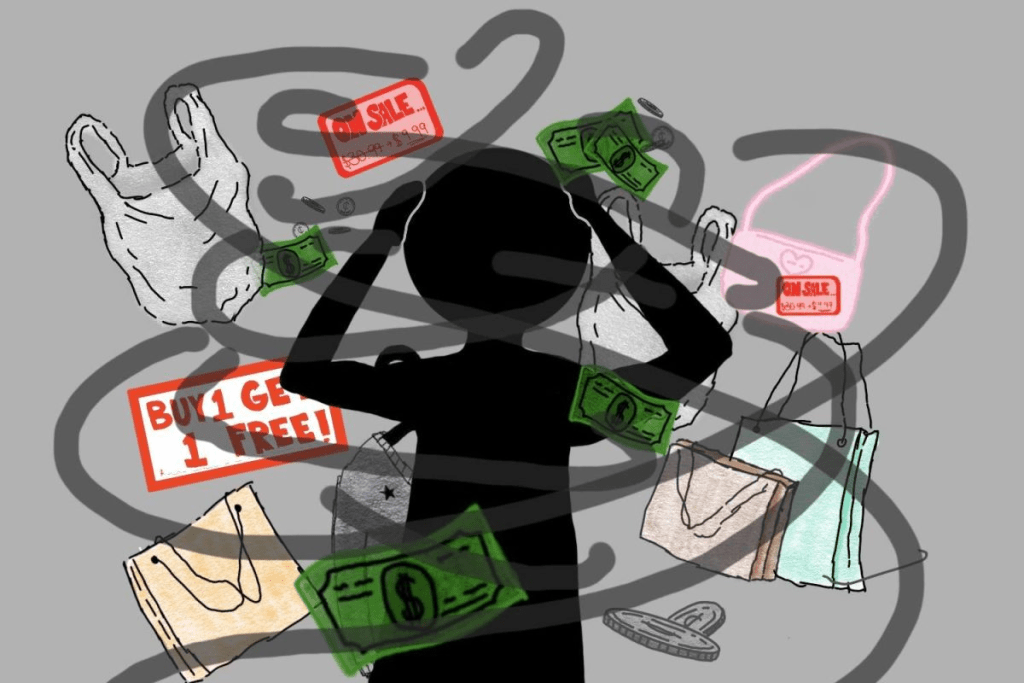
Individuals and market forces in top positions establish the items that dominate the lifestyle of the average person. Whether it’s popular colors of the season, outfits, or even your everyday items, they are predetermined. When was the last time you hand-picked an outfit without consulting Pinterest? Media platforms have repeatedly idolized consumerist culture, a hyper-focused lifestyle on materialistic possessions rather than acquiring deeper values, community life, and spiritual pursuits. Consumer culture on such a large scale erodes self-reflection. An ordinary person is ineffective in perceiving the deep-rooted flaws in this system. There is an undying need to fit in while standing out.
As human beings, we inherently want to feel special, superior, and make ourselves an influential figure among acquaintances. Acquiring trendy items and showcasing them online is perceived as a means to gain reassurance and acceptance from our peers. People are more prone to sharing idealized versions of themselves rather than market their true identity to their audience. However, this often leads to a subtle (or not-so-subtle) focus on external validation.
We have all met multiple people in our lives who seem disturbed when they don’t receive enough likes on media or appreciations, or get deeply triggered by the slightest criticism. Such people live off validation from others. While there is nothing morally wrong in such behavior, it does result in self-harm in the long run. This could occur if a person feels neglected as a child and receives appreciation only after accomplishments, or if we are told since a very young age that we must behave in a manner approved by society. Some individuals might also think that being niche and having obscure tastes could make them seem interesting and not basic. It’s the pressure to seem trendy while having a certain niche element. In my opinion, balancing this is a real task and isn’t as easy as portrayed. A question we must ask ourselves is “How often do we feel left out on media platforms, perhaps by people we’ve never seen? When was the last time you didn’t view a TikTok ‘hot take’ on any current situation around you and change your opinions?”
It is a coping mechanism after all, and it’s a vicious cycle we get trapped in.
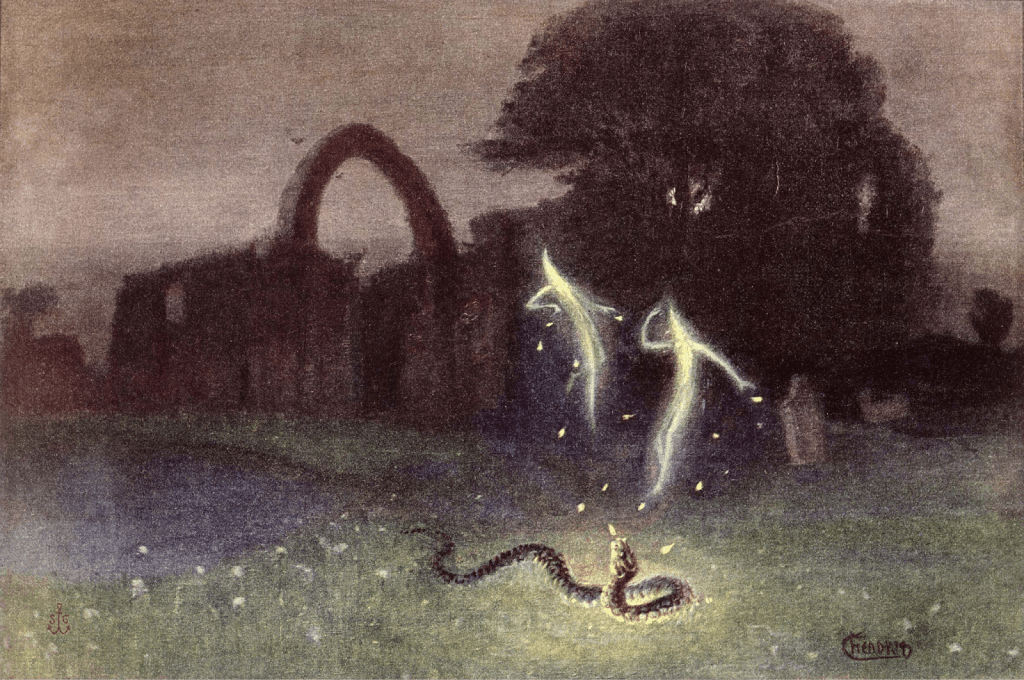
Nonetheless, there is a bright side to every aspect. At times, viewing various aesthetics and trends, experimenting with them could help us move towards our authentic selves. There is also a certain binding force in communities online, and it feels amazing to see things we admire gain a spotlight among peers. An escape from reality is great too, but remember to attach a rope to hold onto while exploring the depths of this new world.
Sometimes our minds are twisted and turned in ways without any conscious realization, which not only hurts communities but also deprives us of our true selves. You need to perceive yourself as a human being with needs and necessities rather than a figure who seems appealing and fancied. Once, art galleries and creative minds were home to innovations, but now are being substituted by the tiny screen in our hands, which defines aesthetics and nicheness in the form of repetitive cycles. Obscurity is the will-o’-the-wisp, glowy and flickering in its alluring manner, but never near enough to catch it, only close enough to admire. The more we try to reach it, the further it goes, dancing in its own bright light. In hindsight, the real niche is to be fearlessly authentic.