
Parasite to Paramsundari?
Shalmali More
BSc. Economics ‘29
Estimated Reading Time: 6 minutes
In today’s era, we’ve crossed all limits in our desire to be perceived as more attractive. Be it the endless beauty products in our shopping carts, or the rising popularity of cosmetic procedures, it seems like we’re forever desperate for a new glow-up. Social media has only made this desperation stronger. With filters, editing apps, and the constant voice in your head asking, “Am I even good enough?” as you look at yet another perfect post by a perfect influencer, the pressure to look good only keeps increasing. After all, attractiveness is the currency to gain the two most important things in life: naukri and chhokri.
It is often said that beauty is in the eye of the beholder. But what if beauty didn’t depend on the beholder’s eye at all? What if it could be manufactured from the inside out? Maybe the beauty you dream of wouldn’t come from the products you’re using, or the filter you posted your newest story with, but a parasite living inside you!
Toxoplasma gondii (T. gondii) is a tiny little single-celled parasite that affects warm-blooded animals, including us humans. It is quite a successful one with about 30–50% of the world’s population carrying it without even realising. Most infections happen through undercooked meat (especially pork and lamb) or through direct contact with cat faeces- in certain cases, it could also be passed on sexually.
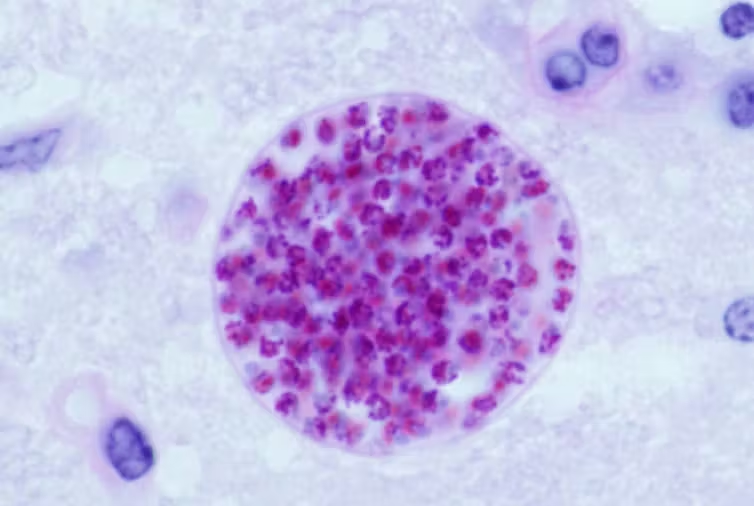
But humans aren’t really T. gondii’s main target – it gets its fame from rats and rodents. A 2011 study revealed that infected rats were found to have higher reproductive success and appeared more attractive to female rats. The parasite basically makes them the alphas of their tribe. And their alpha-ness isn’t just reflected in their looks, but also in their personalities. Rats affected by this sneaky parasite suddenly become more confident and fearless. The parasite makes them lose their natural, evolutionary fear of cats, and they actively start to seek cats out. This confidence doesn’t really end well for them. They might become the alphas of their tribes, but they are not at all invincible to the cats.

However, it isn’t a win-win for the cats either. They might get easy food, but they don’t know it comes with a complimentary parasite. These cats become the breeding ground for T. gondii. The parasite multiplies a million times in the cats’ stomachs, and then they proceed to shed a shit ton (literally) of tiny eggs (oocysts) in their faeces for about 1–3 weeks, and the cycle goes on. In almost all cases, the cats don’t experience any harm, unlike the rats, who are turned into attractive zombies.
Infected humans aren’t spared from the parasite’s glow-up boon either. God knows if the increased attractiveness is the natural by-product of the infection or a sneaky strategic move from the parasite to find more hosts and expand its empire. Nevertheless, you could say that T. gondii acts as the craziest catfish (pun intended) for us humans.
Now imagine a world where this parasite wasn’t seen as a disease, but as a luxurious beauty treatment. Big beauty companies hop on the bandwagon, slap a shiny label on it and start marketing it as the ultimate one-stop destination for your ultimate glow up! Influencers start posting reels: “Day 21 of my Toxo Treatment, and the results are shocking!” Medical clinics offering premium infusion packages, with monthly subscription plans to “maintain your glow.” The parasite will go viral.
And if that sounds unbelievable, remember that we once glamorised Tuberculosis because the thin, pale look it caused was associated with “romantic beauty” in the 19th century. If people could look at a deadly disease and romanticise it, why not a parasite?
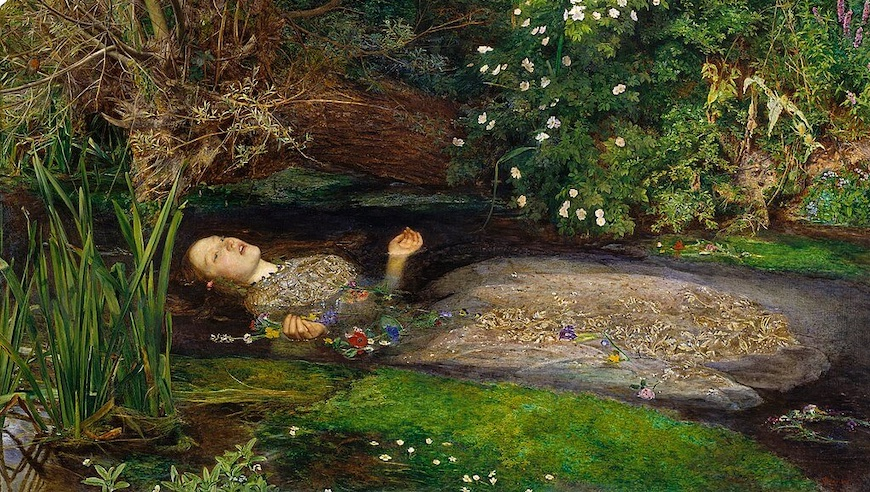
Ophelia, a character from Shakespeare’s Hamlet, romanticised for her pale skin and fragile figure
Marketing teams would be fully backed by science. A 2022 study revealed that infected individuals were consistently rated as more attractive and healthier than their parasite-free peers.
Infected men were, on average, 3 centimetres taller, more masculine, and had higher testosterone. They came across as more dominant and confident. Infected women had lower body mass index (BMI), curvier figures, and lower testosterone levels, aligning with conventional beauty standards. Both men and women reported personality shifts: more outgoing, sociable, and warm-hearted.
It sounds absurd, just like Ozempic, a diabetes drug, which was repurposed into a global beauty craze for weight loss. Or how anabolic steroids, initially for muscle-wasting diseases, became a bodybuilding staple. Science-backed beauty shortcuts always find a way to slip into the mainstream media, even though the science might not always make sense.We once sold tapeworm diet pills in the early 1900s to women desperate to lose weight, literally advertising worms in their stomachs as “safe and easy.”
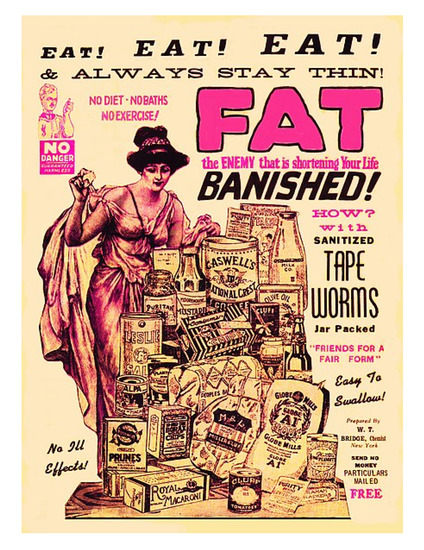
Fake poster that was attributed to the first advertisement of the tapeworm diet
In short, the parasite didn’t just change appearance; it changed aura. How could society resist? Why wouldn’t they sign up for a microbe that promises better looks, confidence, and charm, all rolled into one?
At first, the craze would spread like wildfire. T. gondii would become the new Botox — socially acceptable, medically questionable, and financially lucrative. Parasite-positive people would flaunt their glow just like celebrities today flaunt their BBL curves, plumped lips, or jawlines sharpened by fillers, not caring about the side effects. The parasite would become the new status symbol.
But the fairytale wouldn’t last forever, because T. gondii isn’t the fairy godmother to your Cinderella — it’s more like the evil stepmother.
Most healthy people would experience mild or no symptoms, mistaking infections for seasonal flu. But for others, especially pregnant women or people with weak immune systems, the parasite could be devastating. Miscarriages, birth defects, brain inflammation, seizures, vision loss, depression, schizophrenia, bipolar disorder — the list of risks is endless.
News channels would run headlines reading:
“Parasite Glow-Up Ends in Hospitalization.”
“Influencer Admits: My Toxo Treatment Ruined My Mental Health.”
This wouldn’t be the first time beauty treatments turned dark. Silicone injections once promised the perfect hourglass but left many with lifelong health issues. Radium was once sold as a “glow tonic,” only to later be revealed as radioactive poison. History tells us beauty miracles often come with ugly endings.

1924 ad for a radium hair treatment
Lawsuits would pile up. Governments would debate regulations. The same society that embraced it would turn around and cancel it overnight.
There would also be a darker side to the supply chain. Remember, T. gondii can only reproduce inside cats. That means cats would become the beating heart of the beauty industry. Imagine massive cat farms set up solely to harvest parasites. Cats kept in cramped, unhygienic conditions just so humans could look prettier. Documentaries would expose the cruelty: “Cats for Clout: The Dark Side of the Parasite Beauty Boom.” In India, we’re already suffering with stray animal welfare. Stray dogs are abused, culled, and neglected every single day. Not enough shelters for the animals, not enough funds for the NGOs, not enough compassion left in humans. All lost in the name of convenience and selfishness. Adding “parasite factories” to the equation would only multiply the chaos. Stray cats could be hunted, trafficked and farmed illegally just to meet the booming demand for the parasite. The same country that hasn’t figured out how to care for its existing animals would find itself in an even bigger crisis. The beauty debate would evolve into an ethical one: Would you still call yourself an animal lover if your glow-up depended on cat poop?
If, despite scandals, the parasite survived public backlash, and we figure out a way to reduce the side effects, society itself would change. A new beauty hierarchy will arise. Those without it could be mocked or peer pressured to follow the trend. People would prefer having infected partners for their own benefits. Work places would secretly prefer them for their enhanced charisma and confidence. Parasite clinics would become billion dollar businesses, overshadowing Botox and fillers. At that point, the parasite wouldn’t just be living in them, but through them.
So, could a parasite really become the next big beauty trend? Given society’s history, it’s not as far-fetched as it sounds. From poisonous injections to extreme diets, humans have always been willing to gamble health for beauty. T. gondii would simply be the wildest gamble yet.
Im really amazed by the incredible information given. Very well written article, amazed by the work done!
Wow very nice👍