
I Decide How You Perceive Me
Radha Jadhav
FY BSc. Economics (2025-29)
Estimated reading time ~ 4 mins
“What you wear is how you present yourself to the world, especially today, when human contacts are so quick. Fashion is an instant language.”
Miuccia Prada
Modern fashion as a form of self-expression began in Europe in the mid-14th century. However, the modern industry based around firms and fashion started around the 19th century with Charles Fredrick Worth. He is credited as the “founding father of haute couture”. He established a modern fashion system in Paris with his label “House of Worth”. Charles created the concept of showcasing outfits on live models rather than dolls, uplifting the status of a designer as someone who guides the customer towards style rather than the other way around. He created an atmosphere in the industry where the designers were rich, famous experts. His designs gathered attention from figures like Queen Victoria and Empress Eugenie, the wife of Napoleon III of France. The fashion culture set by him paved the way for the prominent ones like Dior, Yves Saint Laurent, and more.

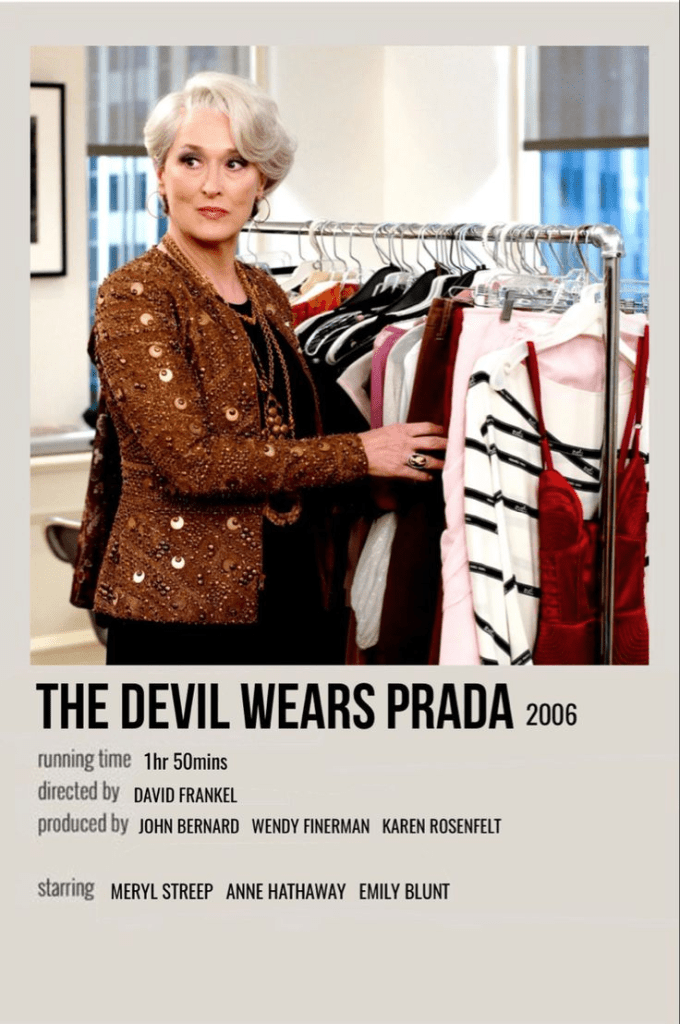
Built on that foundation, the industry as of today has been growing and exerting a significant cultural influence. As Miranda Priestly in “The Devil Wears Prada” film iconically proves, every piece of clothing trickles down from the designers’ minds to the runways, then down to us mere mortals, thus influencing what’s sold in local stores. Every basic item in our closet was predetermined by the brightest minds in the industry.
Moving from the industry’s influence on clothing, fashion also shapes aesthetics. The true definition of an aesthetic was formed in the 1700s, meaning “the science of sensory perception,” and the definition is perceived differently across generations. Today, aesthetics and fashion trends switch every 3 months. This makes it extremely exhausting and also unattainable to the majority of us. I’ve stumbled across minimalism, grunge rockstar core, whimsical looks, and so much more. Content viewers feel an insistence to pick a particular side. There is an urgency to create aspirational lifestyles and shape identities.
These style aesthetics come with an image marketed in the media. For example, cottagecore represents baking, nature, homely comfort, and simple living. Mob wife shows fierceness, strength, and fear. Dark academia shows intellectual pursuit, someone who prioritises learning and books. People want to pick a styling aesthetic to define themselves easily in society. It makes them feel seen. And humans desire to feel seen the most.
For that reason, characters in films are expressed through their style, hair, and makeup; it’s a crucial element in storytelling. When popular media depicts a writer, an academic bookworm character, you instantly picture her as a woman with a messy bun, minimal makeup, a plaid skirt, a brown jacket, and a book in her hand. That is an archetype created by the audience. While in real life, she could wear a bold lip and streetwear outfit, the previous description makes it much easier to perceive her.
Such tactics are also employed by directors and costume designers in movies. In the film “Breakfast at Tiffany’s”, Audrey Hepburn’s classic character was portrayed as sophisticated and youthful while masking her underlying vulnerability. Her wardrobe was designed by Hubert de Givenchy for the film, using elegance and bold choices to create a curated identity. Her entire look was centered around being chic and confident, including her statement accessories, oversized sunglasses, coats, and the iconic little black dress. Her emphasis on high-quality, versatile, minimalistic yet glamorous pieces showcased her desire for enduring, long-term, and timeless items despite being a carefree party girl in the city. Her fearlessness in her looks and aura, while captivating New York, defined female empowerment for generations.

After speaking of the fashion icon Holly Golightly, I had to include “The Devil Wears Prada”. No one does a better style transformation than Andrea Sachs. Just like Andy, who was an aspiring journalist, I love to write. Unlike Andy, I do not need a job in the fashion industry to understand fashion. I have done so from a young age.
When she arrived at the Runway office, Andrea was clearly not clued into fashion. And for a while, her style was out of place and didn’t match her colleagues, which reflected her disinterest and lack of understanding about the industry. Her all-Chanel makeover helped her secure a spot in her workplace, and her style has only evolved upward since. As Andrea sincerely immersed herself in her job, her looks grew more polished and cultured. This showed her transition from a lost outsider to someone who respected her job and turned professional. And she ultimately becomes a favorite, later traveling to Paris along with Miranda. While she rose massively, her outfits still retained authenticity. Andrea smartly used her style to create a sense of belonging.

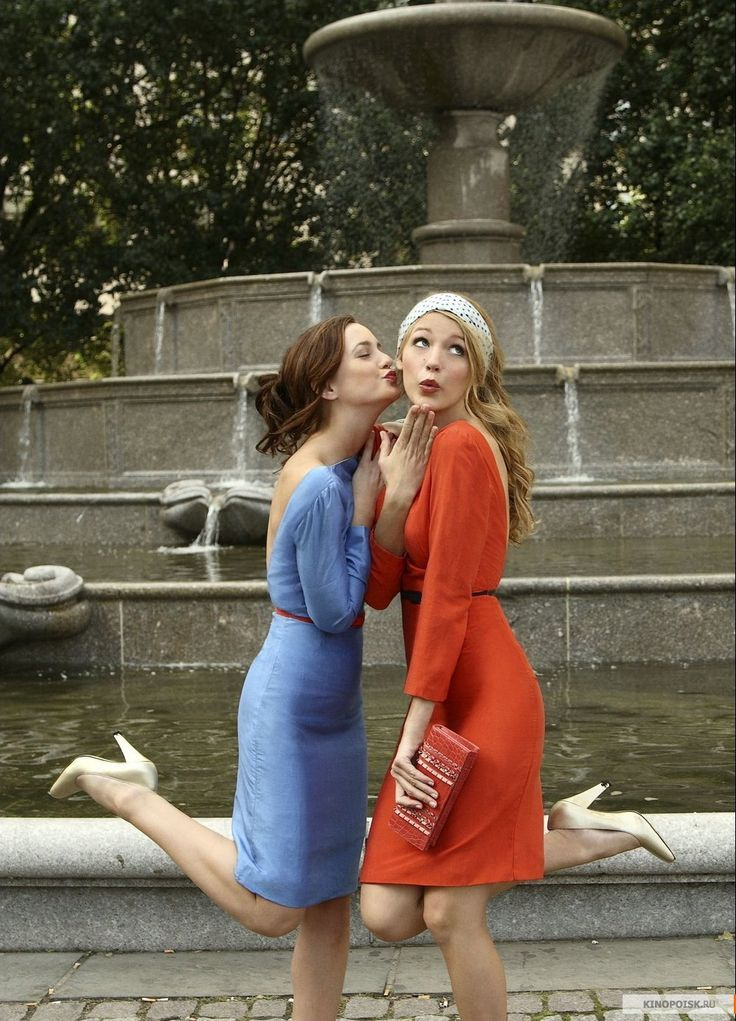
The very iconic Gen-Z favorite show on this list is next. Gossip Girl was meant to revolve around the lives of high schoolers in the Upper East Side of Manhattan, but it might’ve caught attention for much more—the iconic style of the two main female protagonists, Blair Waldorf and Serena Van Der Woodsen. While I personally prefer Blair, both rocked their own looks. Their style felt personal.
Blair preferred preppy, structured, and well-put-together looks, like her iconic headbands, classic silhouettes with bold colors. Her looks reflected her desire for perfection and class. Every time Blair came on screen, she looked professional and serious. Meanwhile, Serena embodied effortless, ‘throw-it-on’, carefree looks. She managed to look amazing even in a rush, showing her party girl and free-spirited lifestyle. She had multiple textures, a boho-chic aesthetic, and an artistic yet glamorous appeal, incorporating a cool-girl vibe. The show did the best job in reflecting their truer selves through their looks.
Source
All this raises a question: Does your style influence the way you’re perceived? In short, yes. Your wardrobe speaks for you. It would be quite hard to see a girl who wears pink and bows as someone who beats others with a stick. These two things can coexist 100%.
When all is said and done, we must remember that not everyone has the resources to speak for themselves through fashion. Some do not feel the need. Despite already existing stereotypes linked to styles, it is going to speak differently to each person. When movie makers can utilize style to indicate the depths of their characters, so can we. And my personal take is that I support using style as an art to convey yourself. Fashion is a power we must use consciously.
And as the style-icon Iris Asfel once said:
“Fashion you can buy, but style you possess. The key to style is learning who you are, which takes years. There’s no how-to road map to style. It’s about self-expression and, above all, attitude.”